


Introduction: The constant threat of digital fraud
As the world becomes increasingly digital, the number of digital scams is increasing massively. It doesn’t matter the time of year, whether it be Christmas or the summer – a scam is always waiting just around the corner, and you need to be prepared.
It is not good enough to think you can’t be scammed, especially with the rise of AI content making scams harder to spot and increasing the speed and scale of attacks. In this article, I will share the top four recommendations for staying safe against online scams.
1. Cultivate the pause habit (Stop! Think! Verify!)
The favorite tool of the scammers is to create pressure and make you panic. Some examples of this include countdown timers, which are designed to short-circuit your critical skills and trick you into making a mistake that you wouldn’t make if you were calmer.
If you see anything like this, there is a simple rule to follow: If something makes you feel panicked or rushed, stop everything immediately. Next, you need to verify independently what is happening. Do not reply directly to any unexpected messages; instead, check the source using official websites, apps, or phone numbers that you already trust (This is known as Stop! Think! Verify!).

Many scams also carry a red flag in the form of small errors, such as slightly wrong web addresses or links that don’t match a company’s usual domain. If you see anything like this, it could be a scam.
2. Know the scams and guard your credentials
Another thing that we know about scammers is that they are usually after your money or your data. Some things to be extra cautious about include messages mimicking banks, government bodies, and major delivery companies. Scammers may claim that your account could be locked, you’ve missed a delivery, or that a payment needs urgent approval. Other scams to watch out for include promises of prizes as well as fake expiring subscriptions.
Keep in mind that legitimate organizations will never ask you for your full bank details, passcodes, or remote access over email, text, or unsolicited calls.
3. Implement high-impact security measures
It is not enough just to be aware of the types of scams that criminals launch against unsuspecting victims. As an internet user, you also need to take proactive security measures yourself. In recent years, this has become a lot easier with authenticator apps, password managers with strong password generators, and passkeys.

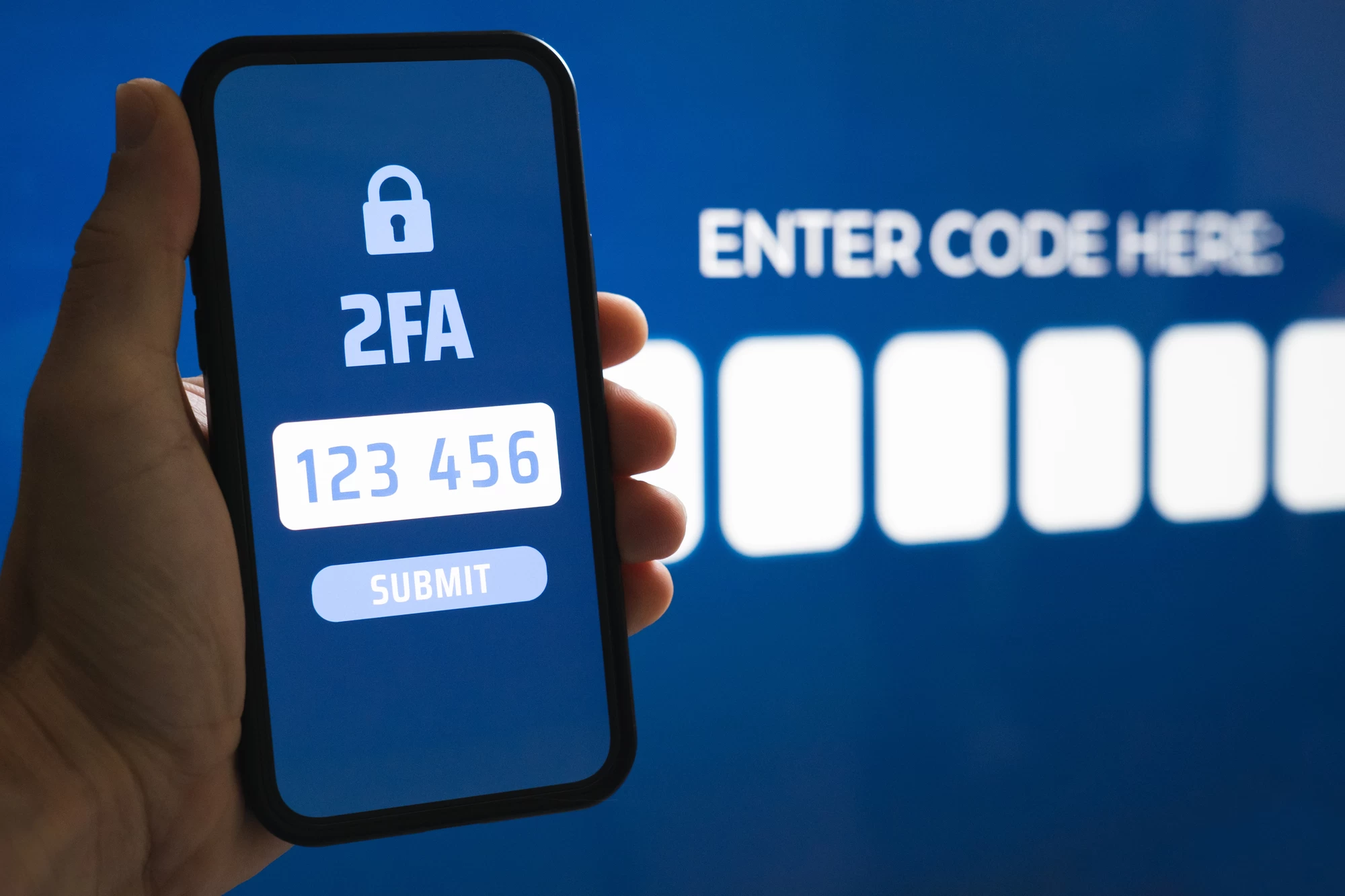
The single most effective barrier against a hostile account takeover is two-factor authentication (2FA). Many websites and platforms now support 2FA, so that after you use your password to log in, you then need to enter a code given by the authenticator app on your phone to continue logging in. These codes change regularly, making it hard for an attacker to steal the codes.
The next best defense is a good password. Web browsers like Firefox and Chrome have a syncable password manager that also lets you generate good passwords that nobody would ever guess. Another clever way to make a strong password is to choose 3-5 random words, for example, “opinion spectacles golfer” is a strong password, and it is easy to remember.
Other measures to take include keeping all of your software up to date to patch vulnerabilities and regularly reviewing which devices and apps have access to your accounts, especially your Google or Facebook accounts, as these are commonly used to log in to services.
4. Master the art of reporting
Now that you know how to stop running headlong into a scam, how to identify scams, and know all about the proactive measures to stay safe from scams, the last step that is equally important is reporting the scam. This is important because every alert helps stop someone else from getting caught.
Many people don’t know where to report a scam. If you are in the United States, the first place you will want to head is usa.gov. That website hosts a very short questionnaire that asks about the scam you were affected by and who the appropriate organization to report it to is.
In the United Kingdom, you can forward scam texts to 7726, forward suspicious emails to the NCSC’s Suspicious Email Reporting Service: [email protected], and log all attempts via the official Stop! Think Fraud site.
For other countries, just do a web search along the lines of “How do I report scams in YourCountryNameHere“.
Conclusion: A shared responsibility
With digital scams increasing every day, it is important to trust your instincts, take a breath, and report anything that feels sketchy. To fully combat this problem, it will take individuals, tech firms, and governments all playing their part.