

The AI news firehose blasted on all fronts these past five days.
OpenAI rang a “code red” alarm after Google’s Gemini 3 growth spurt, while Amazon turned re:Invent into an AI megaphone to promise cloud links so seamless even sworn rivals can (apparently) hold hands.
Meta, never shy about pivots, quietly handed its VR cash to a new pair of Ray‑Ban–shaped hopes, and Google’s Android team ditched its once-a-year mega drop schedule to drip‑feed Gemini smarts straight into Pixels.
Not to be out‑hustled, video‑upstart Runway elbowed past big‑tech juggernauts on the compact Video Arena leaderboard.
Sprinkle in billion-dollar budget shifts and the sacrifice of a historic PC gaming brand, and it’s clear: the AI rush isn’t coming; it’s here, and it wants everything from your cloud infrastructure to your PC’s RAM.
Quick links:
OpenAI declares code red over Gemini threat
Sam Altman yanked the alarm cord and told staff to drop side quests after traffic dipped 6% post‑Gemini 3.
The memo labeled a company‑wide “code red” and reordered priorities around a leaner large language model nicknamed Garlic. Early testers say the still‑secret model matches or beats Gemini on code and reasoning while guzzling less compute.
Projects like in‑chat ads and health agents are on pause, and daily war rooms now track response speed, personalization depth, and user stickiness. With Google claiming 650 million Gemini users to ChatGPT’s 800 million, OpenAI is betting a tighter core beats feature sprawl. Miss the mark, and those $1.4 trillion datacenter dreams could wilt along with the garlic.

AWS unveils multicloud AI and Trainium push
Amazon opened re:Invent by parachuting a platoon of AI announcements: TwelveLabs video models on Bedrock, AWS Transform to modernize legacy code up to 5× faster, and new frontier agents that claim they can babysit your infrastructure for days.
The plot twist? A jointly engineered AWS Interconnect with Google Cloud, offering private, quad‑redundant bandwidth and an open API spec that other clouds can adopt. It’s multicloud without migraine, at least on paper.
Behind the keynote flash sits heavy iron. Third‑gen Trainium3 silicon powers new EC2 Trn3 UltraServers boasting 4.4× more oomph and 40% better energy efficiency. For enterprises still skittish about public cloud, Amazon will forklift entire “AI Factories” (complete with Nvidia GPUs) into private data centers.
If AWS can make rivals frenemies and latency to somebody else’s bill, 2026 could see multicloud move from buzzword to baseline.

Meta trims VR to fund AI eyewear
Bloomberg says Meta’s Reality Labs faces a 30% haircut, with savings rerouted to projects like its AI‑powered Ray‑Ban glasses. Horizon Worlds features and Quest upgrades land on the chopping block, even as Microsoft sneaks its own lite‑metaverse into Teams.
Wall Street cheered, adding $69 billion to Meta’s cap in a day, proof investors prefer profitable Llama chips to pricey legless avatars.

Android 16 ushers in modular AI upgrades
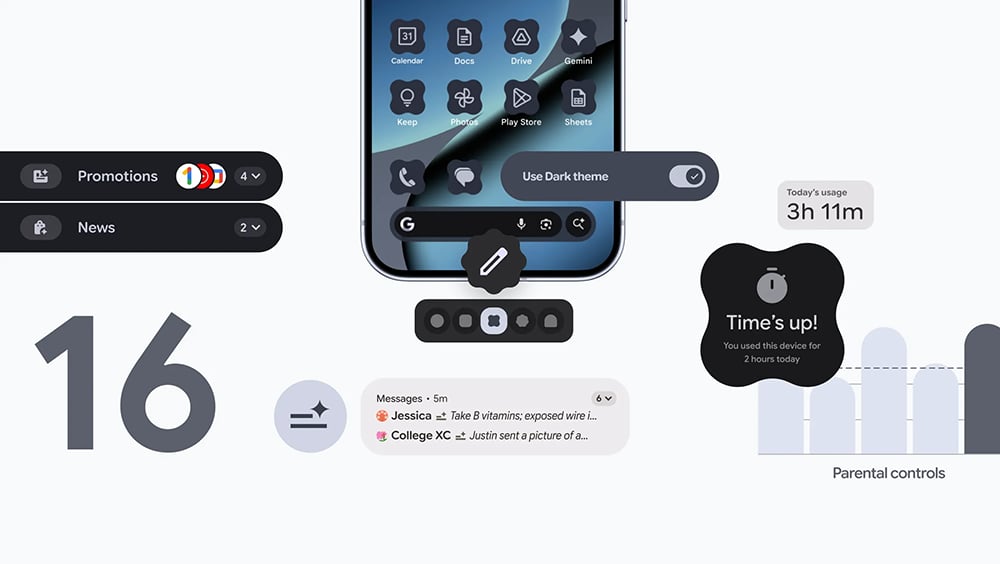
The latest Android update transforms Pixels with a heavy dose of AI smarts and organization tools.
On‑device Gemini now collapses chat walls into tidy notification summaries, while a new organizer shoves promo spam out of sight. Add forced icon coloring, split‑screen tweaks, and lock screen widgets, and your phone suddenly feels both cleaner and smarter with Android 16 — just in time for Pixel 9’s screen‑off fingerprint unlock.
Runway Gen‑4.5 tops video AI leaderboard
Runway’s Gen‑4.5 text‑to‑video model leapfrogged Google’s Veo 3 and left OpenAI’s Sora 2 Pro in the rear‑view mirror on Artificial Analysis’s Video Arena scoreboard.
Trained on Nvidia Hopper and Blackwell silicon, the model keeps Gen‑4’s speed while claiming crisper physics and steadier characters. Enterprise clients such as Target and Ubisoft already have API access, and the rollout to all subscribers finishes this week.
The catch? Gen‑4.5 sometimes teleports physics; doors still open before knobs turn, for instance. It also shows a “success bias” that turns airballs into swishes.
The upset proves a 100‑employee outfit can out‑innovate trillion‑dollar titans, shifting the next skirmish from fidelity to guardrails and upping the odds of a blockbuster acquisition offer.
Yet a formidable rival is emerging: Kuaishou’s newly unveiled Kling O1 model, which touts “director-like memory” to lock characters and props across shots. It hasn’t appeared on the Video Arena leaderboard yet, but early demos hint at an imminent showdown.

Crucial Brand Sacrificed to Feed GPUs
The AI arms race just claimed a beloved civilian casualty. Micron will retire its 29‑year‑old Crucial line of RAM kits and SSDs by early 2026, redirecting capacity toward high‑margin memory for AI datacenters.
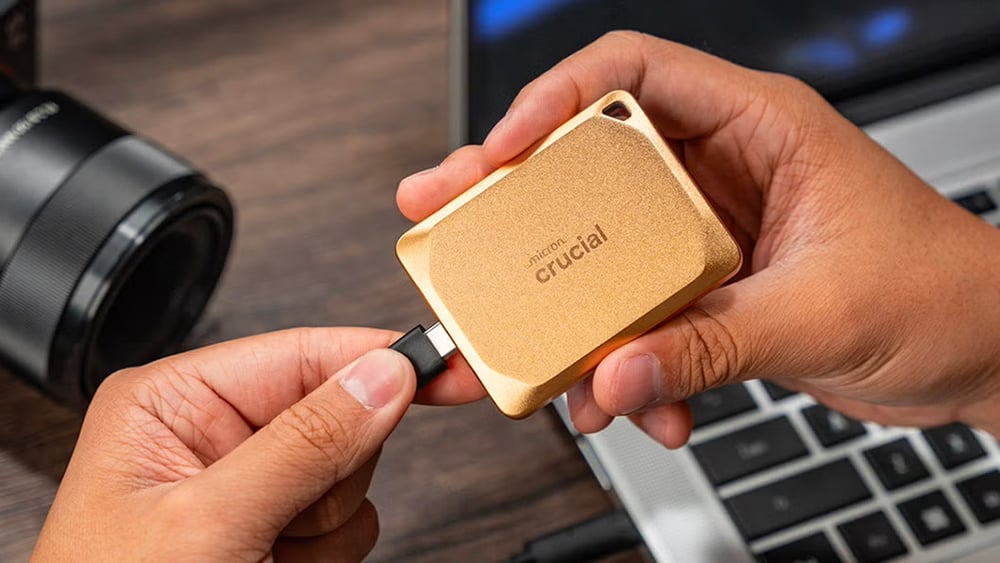
With OpenAI’s Stargate project alone reportedly hoovering up 40% of global DRAM output, gaming rigs and budget PC builds lose an affordable upgrade path, so the bots can keep thinking.
Analysts expect anemic specs (or fatter price tags) until supply catches up, which could be 2027 at the earliest. Silicon, it seems, has chosen sides.